
More than a right to drive: How a learner driver program changed lives
Tuesday 19 May 2026
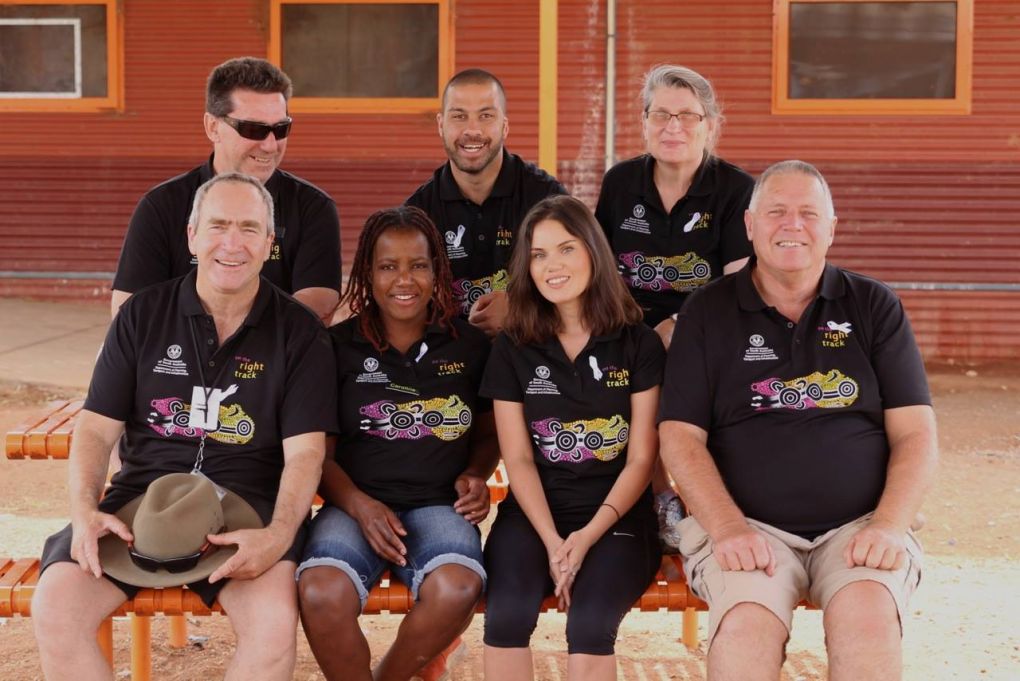
The sun is barely up as Jade Wilson steers a white Landcruiser north, its tyres humming over bitumen that will soon give way to red dirt and silence. In the back seat are training poles and logbooks. In the front is a familiar sense of purpose.
It’s been ten years since Jade first made the 1669-kilometre journey from Adelaide to the Anangu Pitjantjatjara Yankunytjatjara (APY) Lands with little more than a map and a plan to teach young people to drive. But it was never just about driving.
It was about helping people get photo identification, learn the road rules, access road safety education and find a pathway to work and independence without unnecessary barriers.
“It is so much bigger than a driver’s licence because once you have some form of ID, you’re not limited. The doors start opening and we can be that gateway to becoming an adult,” Jade said.
When On the Right Track first hit the road in 2015, the statistics told a stark story: fewer than one in five people over the age of 16 living in the APY Lands held a driver’s licence or learner’s permit. For many, the barriers were immediate and practical – language, paperwork, cost, access to driving instructors, a system that wasn’t built for life in remote communities.
The program began as a small team with a big goal – to bring licensing services to places where they simply didn’t exist. Communities like Indulkana, Mimili and Pukatja (Ernabella) were among the first stops. With each visit came trust, and over time, transformation.
On the Right Track through the years
A decade later, a team of five workers across 16 communities stretching from the vast edge of the Maralinga Tjaruta (MT) Lands to the border town of Pipalyatjara including the APY Lands and Yalata as well as the Flinders Ranges, Oodnadatta, Ceduna and Coober Pedy.
Leading the team that makes about 36 trips every year, Amy Reid said nothing beats the smile that comes with a passed test.
“The most enjoyable part of the job for me is seeing the smiles from our clients and the community members when they get their learners or pass their test to get their Ps,” Amy said.
“From when I started six years ago, the biggest change I have seen is the next generation coming through and they are excited to be a part of the program – they want to learn to drive and drive safely.”
Now, about 60 per cent of the people over the age of 16 living in across the 16 communities hold a driver’s licence or learner’s permit. The past decade has seen more than 3,500 people access On the Right Track for licensing and road safety services.
More than 1,400 learner’s permits, 700 provisional licences and hundreds of proof of age cards have been issued along the way.
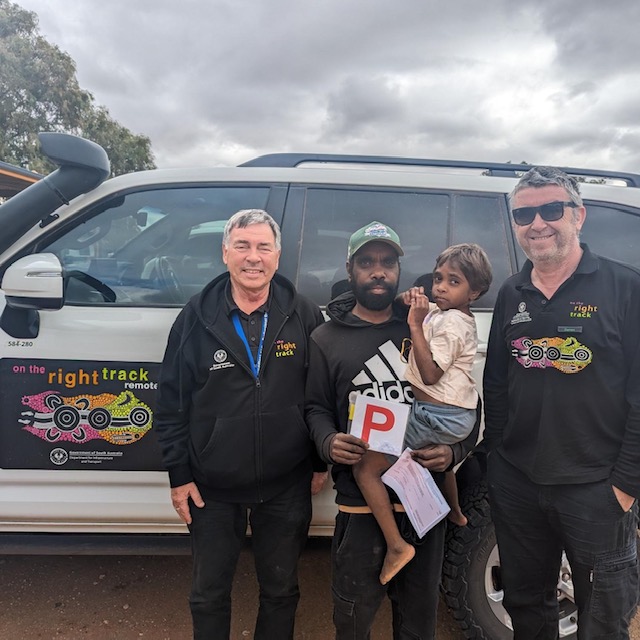
“In certain areas in the APY Lands we’re closer to 100 per cent, because everyone that is of age comes to the program straight away, to get on the system and get their learners permit or proof age card because generations of families are coming through,” Jade Wilson said.
“As soon as someone turns 16, it’s guaranteed their mum, dad or their grandparents are bringing them in to sign up for the program.
“We are fully embedded, there is that level of trust. The communities were initially anxious, keeping us at an arm’s length but now we are fully embraced by the whole community.”
For Troy Hughes, a community constable in Amata, getting his driver’s licence wasn’t just a milestone, it was a turning point. Along with the skills to drive safely, through On the Right Track, Troy gained confidence and independence to pursue meaningful work and take on a leadership role in his community.
Today, as a member of South Australia Police, he’s doing more than enforcing the law – he’s mentoring young people, modelling what’s possible and passing on the road safety lessons that once changed his own life.
“It’s changed my life – learned to drive, learned to look after myself on the highway,” Troy said.
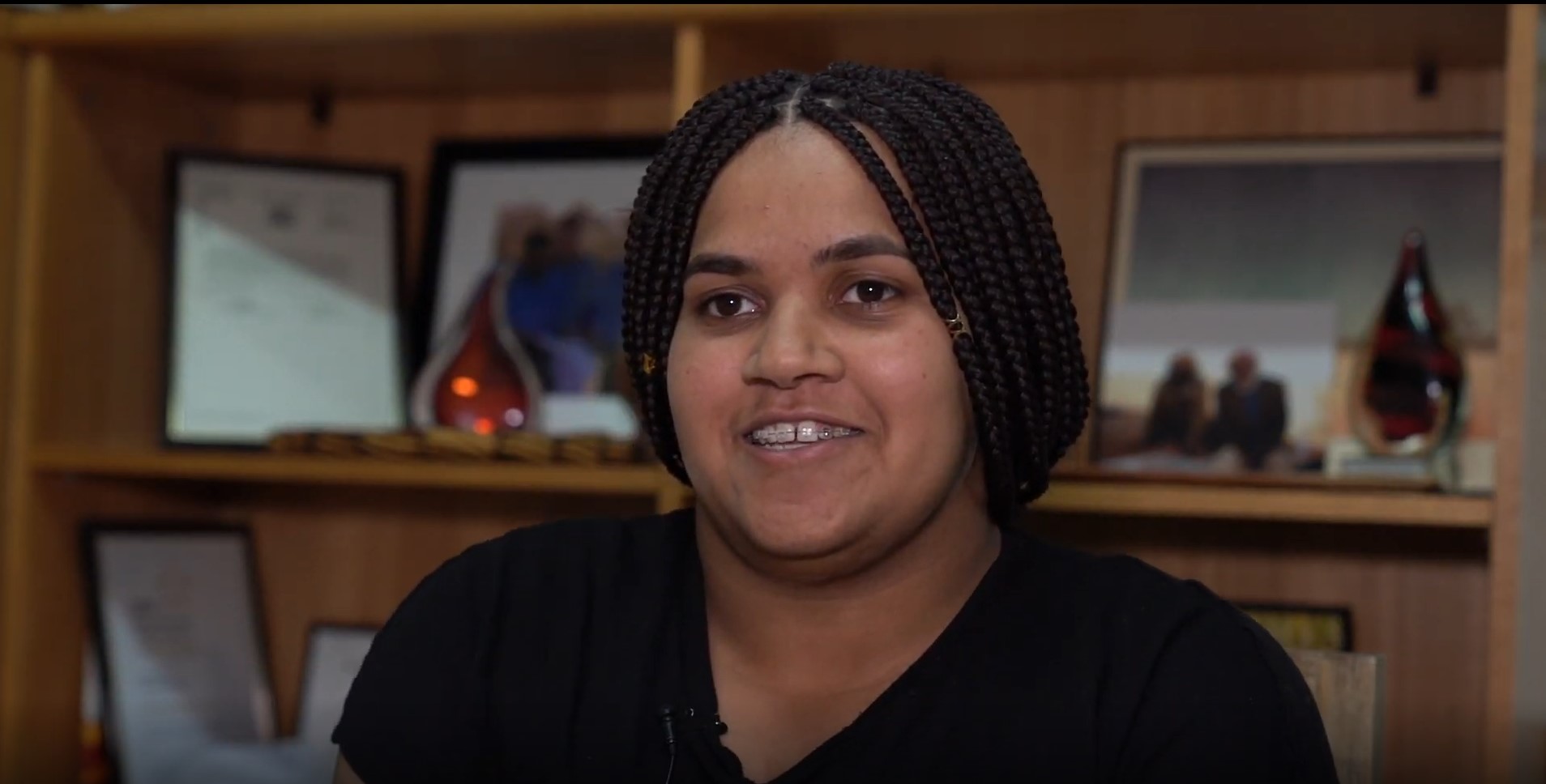
In Ceduna, despite some nerves and an earlier failed test Shantaria Fielding got her learners permit with the unwavering support of the On the Right Track driving instructors.
“They come down and help everyone that are on their learners. They are encouraging us to go for it as well,” she said.
“I thought it was going to be hard, but it was actually pretty easy because of their help. At first it was a bit scary because it was in a police station – I did fail the first one but with On the Right Track it was much better.”
The expansion of the program to include heavy vehicle training in March 2023 has seen seven people become qualified to drive trucks, further boosting the employability of its participants.
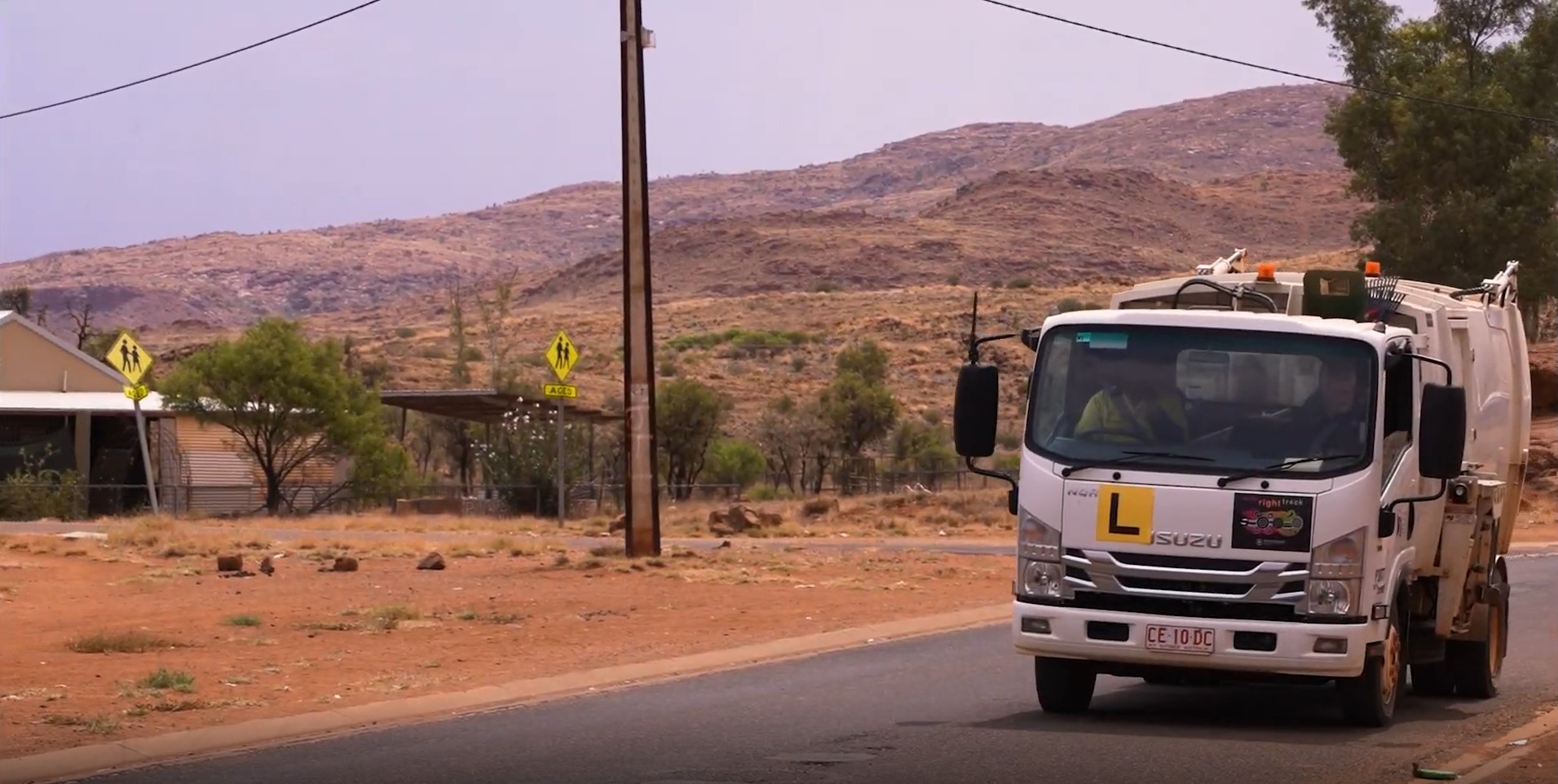
From its earliest days, On the Right Track has been about bridging the gap between two systems – one built on forms and procedures and the other grounded in culture, ceremony and community practices. It was built from the ground up with Aboriginal people, on country, and in conversation with community.
After a period where it was “really hard for our people to get a licence”, Amata’s community leader Anita Amos said the program’s support has allowed a more even playing field for those living in the most remote parts of the state.
“When they do have their licence, I see big change in our people. They are cruising around; they’ve got positive posture. There are not enough opportunities out there without a licence so there has been a big change,” Anita said.
“That means that when people have really good jobs, that they can fend for their family. They feel proud of themselves for what they have achieved.”
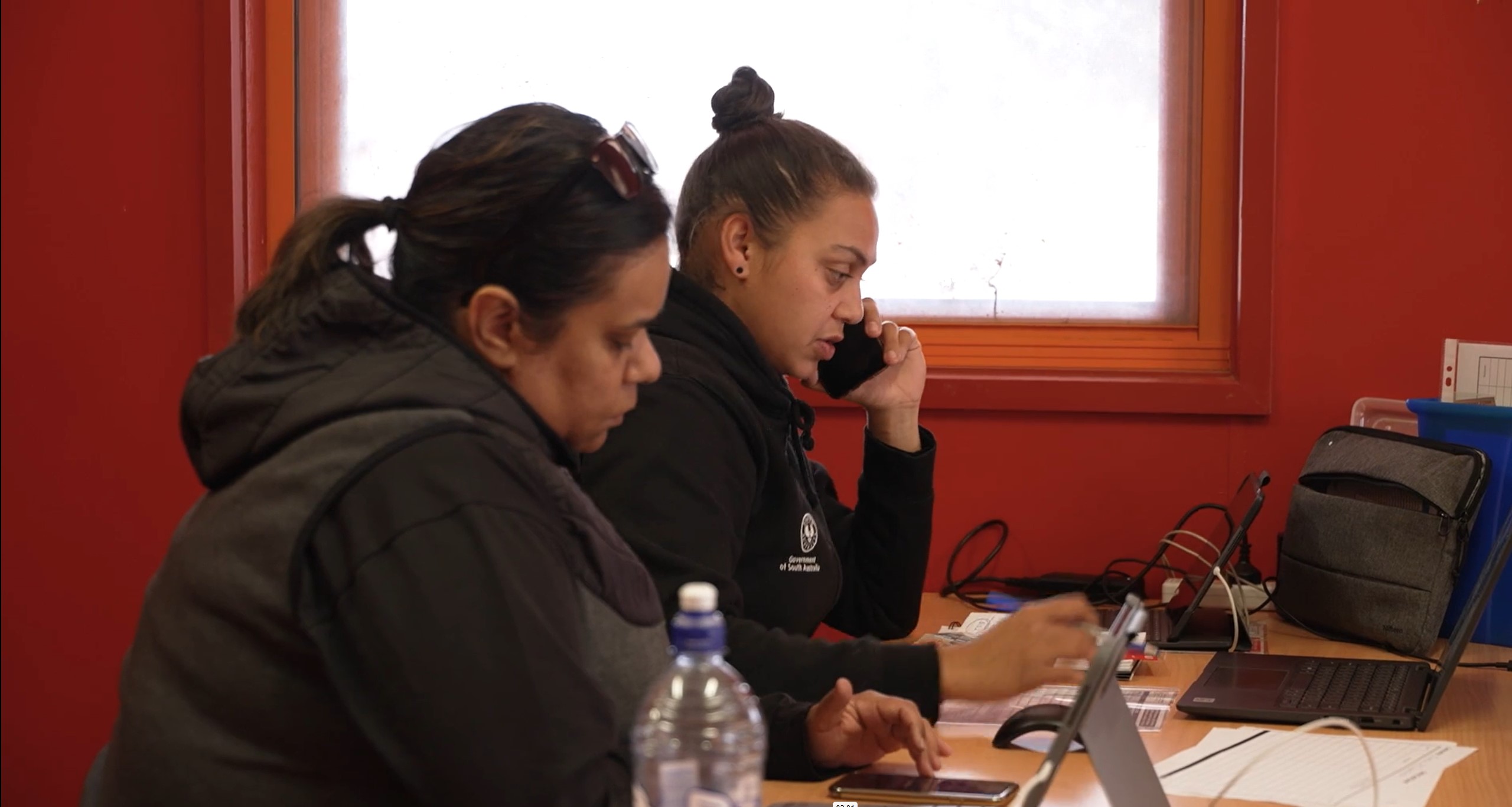
For Jade, the road ahead is as important as the road already travelled.
She’s seen firsthand what happens when Aboriginal people are given the tools, trust, and support to lead programs in their own communities and she knows the impact that visibility can have.
The program’s long-term goal is simple: fewer lives lost on the road, fewer people incarcerated for driving offences and more people driving safely, confidently, and legally in their own country.
“I want every Aboriginal person living in regional or remote South Australia to have the same access to services that we take for granted living in Adelaide, Port Augusta and Port Lincoln,” Jade said.
“We want to expand the program to other Aboriginal communities across SA, where the most transient communities are, where there are no Service SA centres or motor driving instructors. That’s my vision.”