
Trains still carrying the city after 170 years
Tuesday 21 April 2026
Today marks 170 years since the first public passenger train departed from Adelaide Station, a milestone that celebrates the lasting role trains play in shaping the life of our city.
On 19 April 1856, the first passenger service ran from Adelaide to Port Adelaide, carrying Governor of South Australia Sir Richard Graves MacDonnell and other dignitaries to a celebratory lunch.
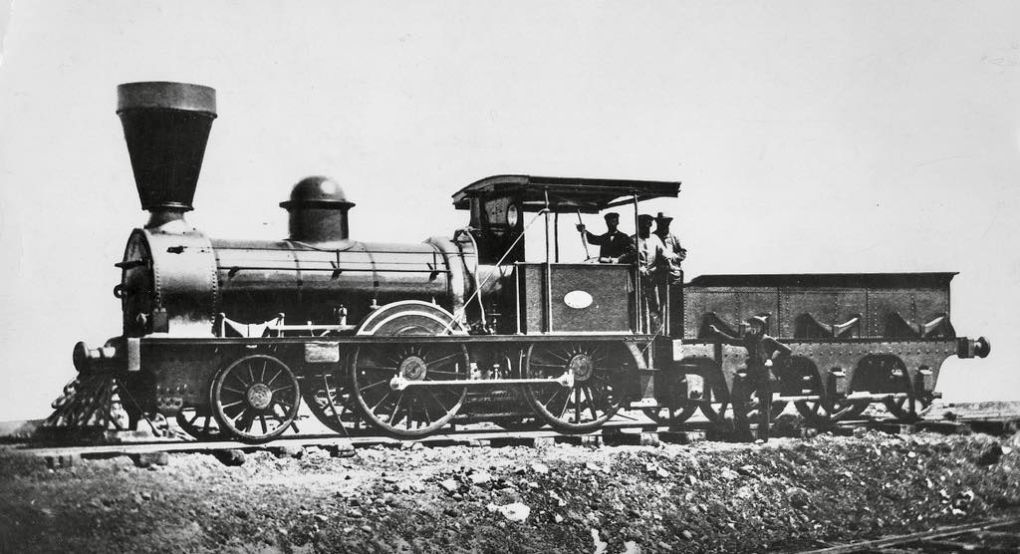
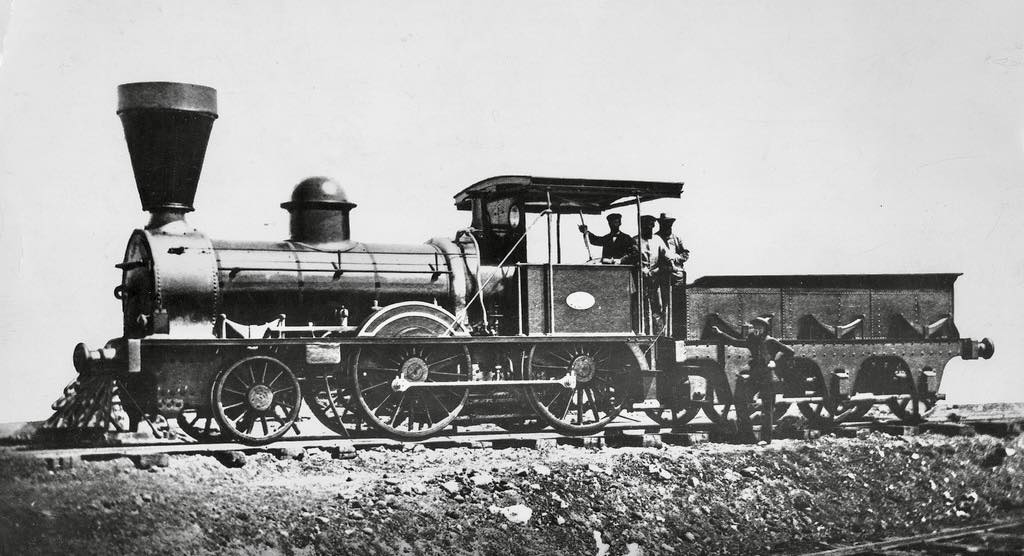
Just two days later, the Port line opened for public service becoming the first government-owned and operated steam railway in the British Empire. That inaugural journey, led by Locomotive 1 Adelaide, marked the beginning of South Australia’s passenger rail network.
The original 12-kilometre single-track line ran via Bowden, Woodville and Alberton, terminating at the original Port Dock station. Early passengers travelled in trains built in Manchester named Adelaide, Victoria and Albert and generally paid a few shillings per trip.
Services were modest by today’s standards - six trains a day and two on Sundays - but they were just the start of a network that would shape how South Australians moved.
Railways steadily extended across the state, north to Gawler and beyond, west to the Port and later into regional and mining areas that were vital for prosperity.
For decades, trains carried everything from copper and livestock to commuters and students, linking industry, education and everyday life across the state.
Steam trains over the years
Today, Adelaide Railway Station serves as a gateway to the city. It’s a familiar presence in the city’s daily rhythm, retaining nine platforms that see 675 train services each weekday and becomes a major hub during special events, particularly game days at Adelaide Oval.
Adelaide Metro’s 84-train fleet, currently comprising 34 electric and 50 hybrid-diesel trains, saw almost 12 million total validations last year, an average of more than 226,000 validations every week.
Adelaide’s busiest lines continue to reflect the city’s growth and changing travel patterns, with the Seaford, Gawler, Belair and Outer Harbor lines each carrying millions of passengers annually supporting access to jobs, education and recreation across the metropolitan area.
While rail services are 170 years old, the iconic Adelaide Railway Station building is not. The North Terrace landmark opened in 1928, replacing the original station that had served the city for more than 70 years.
With the building’s centenary now firmly in sight, this anniversary recognises something even older – the longstanding role rail has played in linking South Australians to each other and to the life of metropolitan Adelaide.
Quotes attributable to Department for Infrastructure and Transport Director Rail Operations Mohit Sareen:
Adelaide Railway Station remains at the heart of our city, with our fleet of 84 trains helping South Australians take almost 12 million trips last year alone.
We know that patronage continues to increase thanks to constant upgrades to our network and ticketing options. Our network continues to meet the needs of a growing city.
The current station building is approaching 100 years old, but the rail story it represents is far older.
From that first steam train in 1856, to a network that carries millions of journeys each year, rail has
continually adapted to the changing needs of the community while keeping its core purpose the same. Connecting people, places and possibilities.
Quotes attributable to former youth porter Bob Sampson OAM:
I felt so privileged, being younger to visit the Adelaide Railway Station for years, catching suburban trains and to visit relatives at Kapunda, to then start work at the station in 1972 as a Youth Porter at 16 years of age.
What a wonderful time, and so busy with so many trains arriving and departing, and thousands of pigeons being loaded every Friday afternoon as part of a huge ‘interest’ within the homing pigeon sector, sending their pigeons out to regional areas, for release the next morning.
American born SA Railway Commissioner Webb built the station in 1928 – and it remains an iconic historic structure in Australia. To have worked at the station, and seen many changes to it over the decades, despite modernisation, for me the station structure still oozes with plenty of genuine character.