Alberton Station building revived
Monday 10 August 2026
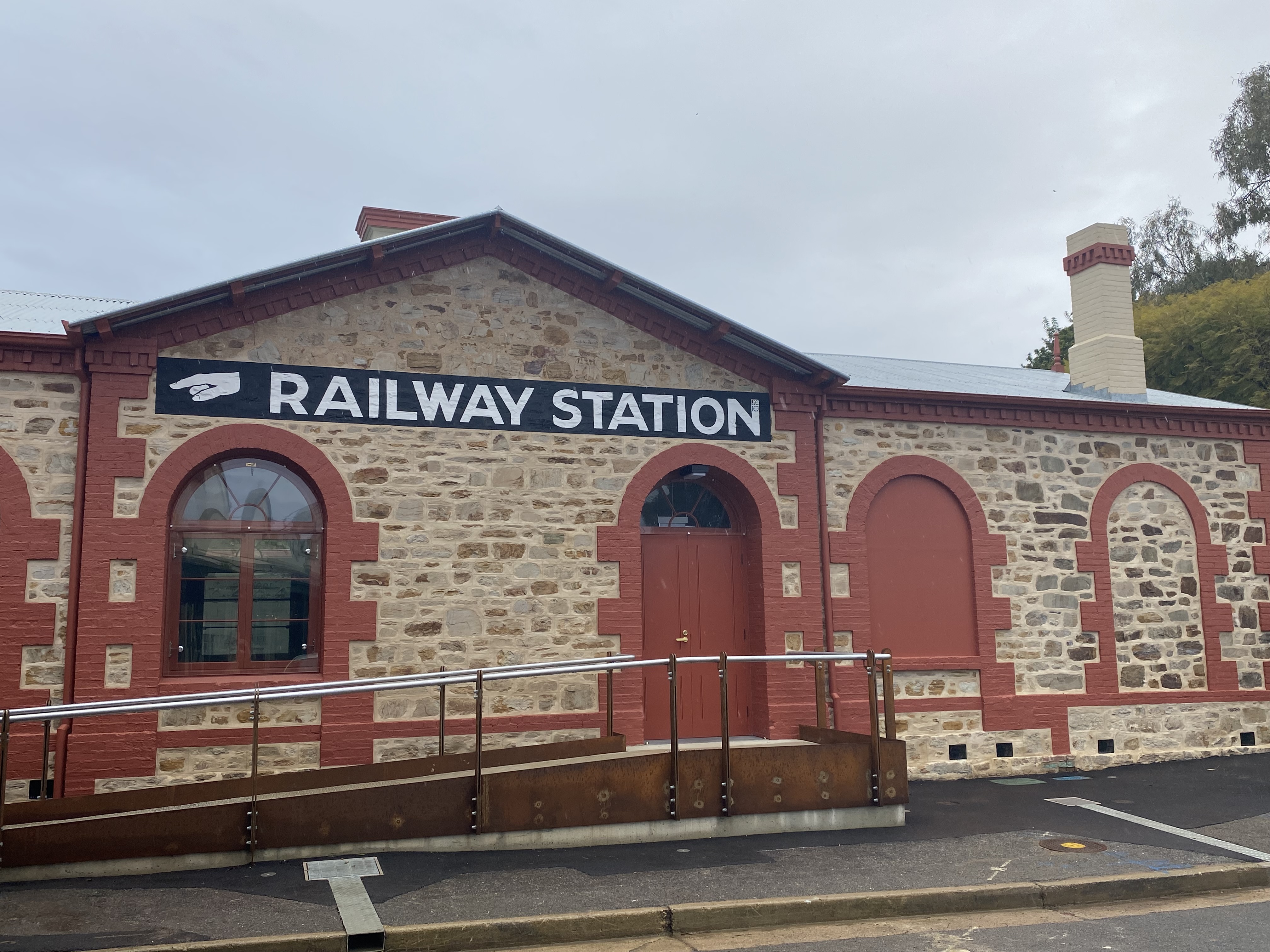
The historic Alberton Railway Station is celebrating its 170th birthday in style following the completion of major restorative works, which have given the building a new lease of life.
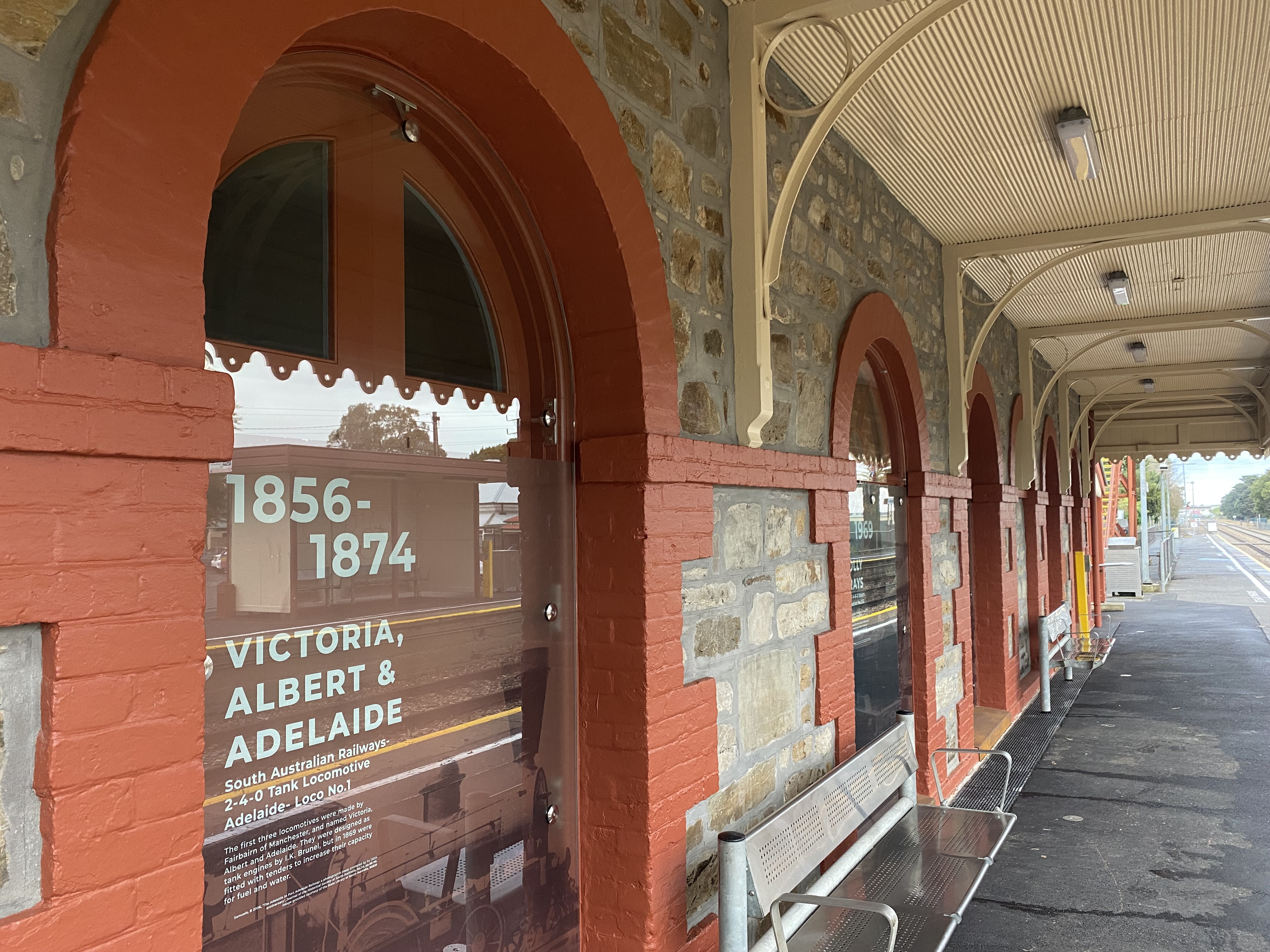
Recognised as Australia’s oldest surviving building as an operational station, the landmark piece of railway history been restored inside and out, with heritage features carefully preserved and new components crafted to replicate original details.
Modern amenities have been incorporated in the more than $1.4 million upgrade, improving accessibility and transforming the much-loved station building into a bright and welcoming community asset.
Specialist materials including western red cedar timber to craft new doors and frames, blackbutt timber flooring, acoustic boards and exposed concrete were used throughout the rebuild to recapture the station’s original character.
The Heritage-listed building, which opened in 1856, had sat abandoned on the Outer Harbor line since 2019 due to age-related deterioration and termite damage.
The delicate restoration delivered 160 square metres of new bitumen surfacing and 40 square metres of new glazing, while some original materials were salvaged and reused as part of the project.
Non-termite damaged jarrah floorboards from the original building have been repurposed as a feature wall on the exterior of the new amenities room, while two original fanlight window frames and sections of existing skirting have also been retained.
Key heritage elements including the station’s internal ceiling and walls, detailed brickwork and locally quarried bluestone also remain intact. The station’s floor has been fully replaced with new floorboards, while windows and doors have been reconstructed to closely match the original design.
The restoration was founded on in-depth historical research informed by the original drawings and handwritten specification held in the state archives.
These provide insight into the original ‘Palladian garden villa’ form and the construction of the railway station.
During the restoration, workers uncovered quirky pieces of the station’s history, including masons’ tools, handmade nails, a railway spike, a 1903 ticket book and within the ceiling cavity a concealed water tank.
The tank – used for domestic purposes at the station before mains water was laid on in 1869 – has been left revealed and celebrated.
The restoration was overseen by Heritage Architect Richard Woods and was meticulously carried out by G-Force Building & Consulting, which also managed the rebuild of the historic Urrbrae Gatehouse.
About 160 workers contributed to the restoration effort over the past year.