
Lower speed limit drives safer commute in Coromandel Valley
Friday 21 November 2025
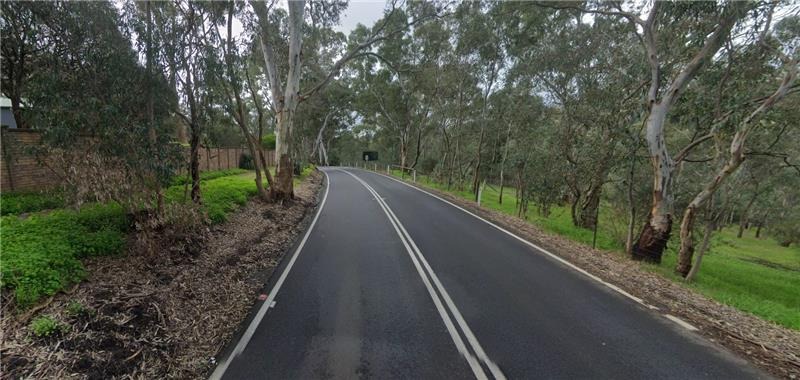
The State Government is making important changes in Coromandel Valley, with a reduced speed limit and dedicated pedestrian crossing near the Primary School to drive safer driving behaviours.
The speed limit for the winding Main Road will be lowered from 60km/h to 50km/h on the 4.5-kilometre stretch between Keith Road and just south of Black Road to deter erratic driver behaviours and deliver safer journeys for everyone.
This section of Main Road carries approximately 9500 vehicles each day, including more than 200 heavy vehicles, passing through residential and busy school and pedestrian zones.
The reduced speed limit, which will come into effect from November 29, follows public consultation with the community which identified possible safety improvements along the key route.
The Department for Infrastructure and Transport sought feedback on what was most important to local residents, with concerns about speeding, tailgating and blind corners on Main Road, and the need for safer shared paths among the most common issues raised.
The consultation found that lowering speeds was seen by many respondents as crucial to improving pedestrian, driver and cyclist safety, especially near schools, shops and recreational facilities.
The reduced speed limit comes as planning and design work progresses for a Pedestrian Actuated (push button) Crossing on Main Road, which will replace the existing koala crossing near Coromandel Valley Primary School.
Construction on the new crossing will start in early-2026, making it safer and easier for motorists, cyclists and pedestrians to cross the road, improving access and connectivity to the school and broader community.
These safety improvements follow upgrades on a 5.5-kilometre section of Main Road, between Black Road, Coromandel Valley, and Chandlers Hill Road, Cherry Gardens, which were delivered as part of the Adelaide Hills Productivity and Road Safety Package.
Completed in February 2025, these works included curve widening, new road signage, surfacing for better skid resistance, line marking and safety barriers, and formed part of the $150 million initiative, jointly funded by the Australian and South Australian governments (80:20) over five years.